
Loading available options...
Overview
- Duration:5 days 4 nights
- Travelers:1 - 15 guests
- Tour Type:Dahabiya Nile Cruise, Top Rated Tours
- Language:All Languages
- Duration:5 Days / 4 Nights
- Tour Type :Private Tours
- Availability:Specific days
- Pickup / Drop off:Luxor / Aswan
Highlights
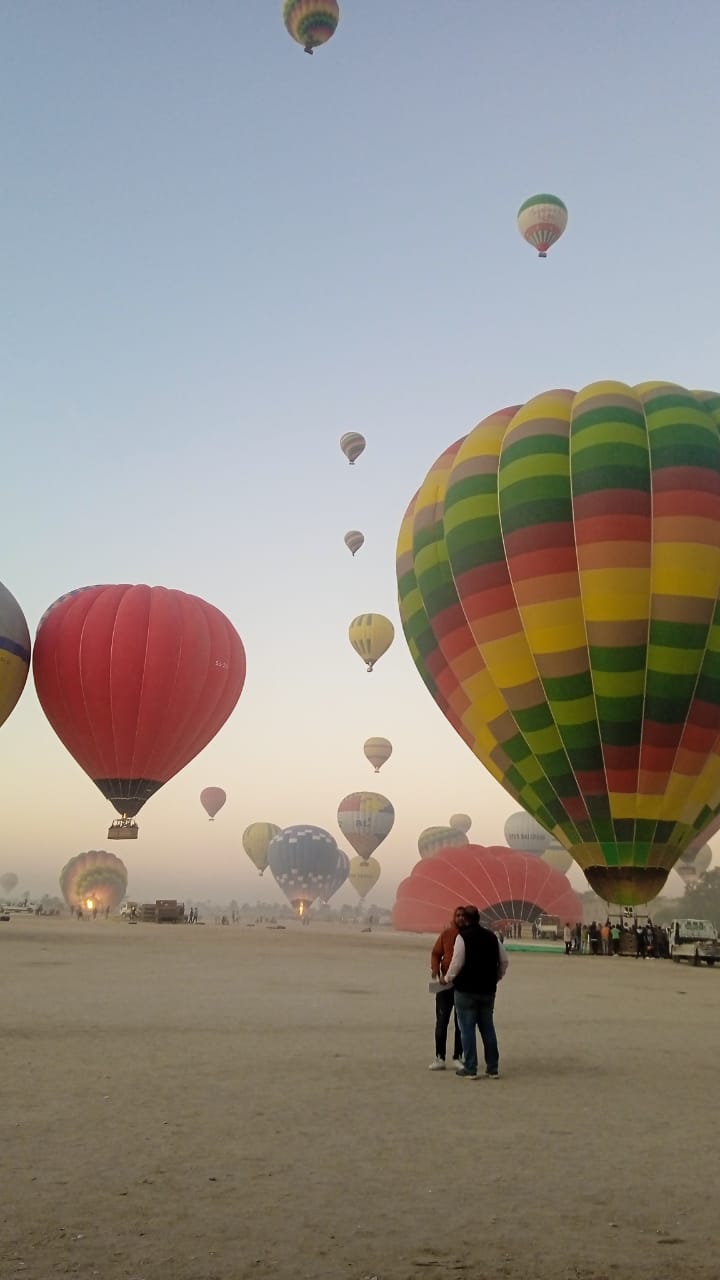
- Hot Air Balloon over Luxor (Optional): Start Day 2 at sunrise with a balloon flight over the West Bank — sweeping views of the Valley of the Kings and the Theban cliffs from above, available at an additional cost.
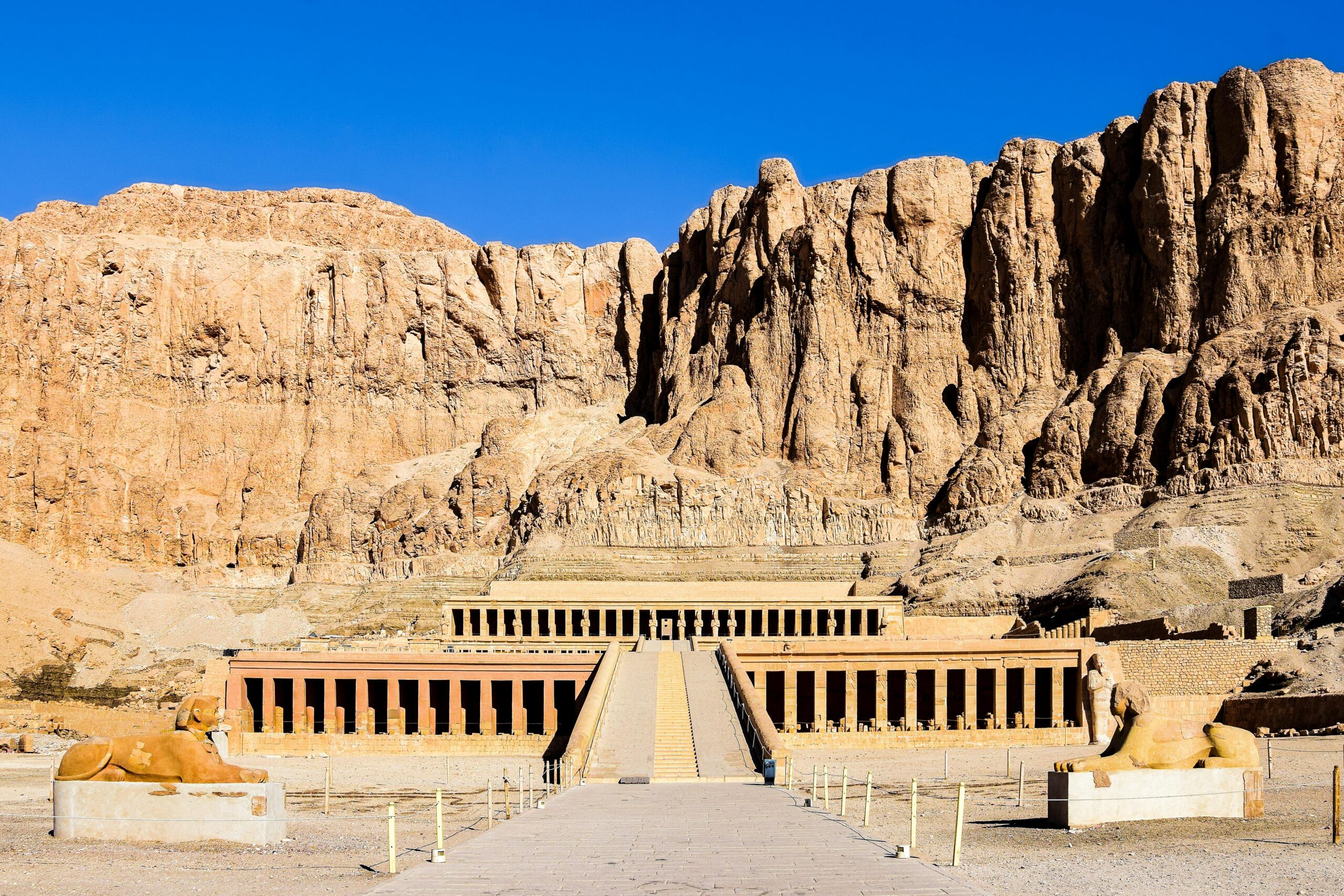
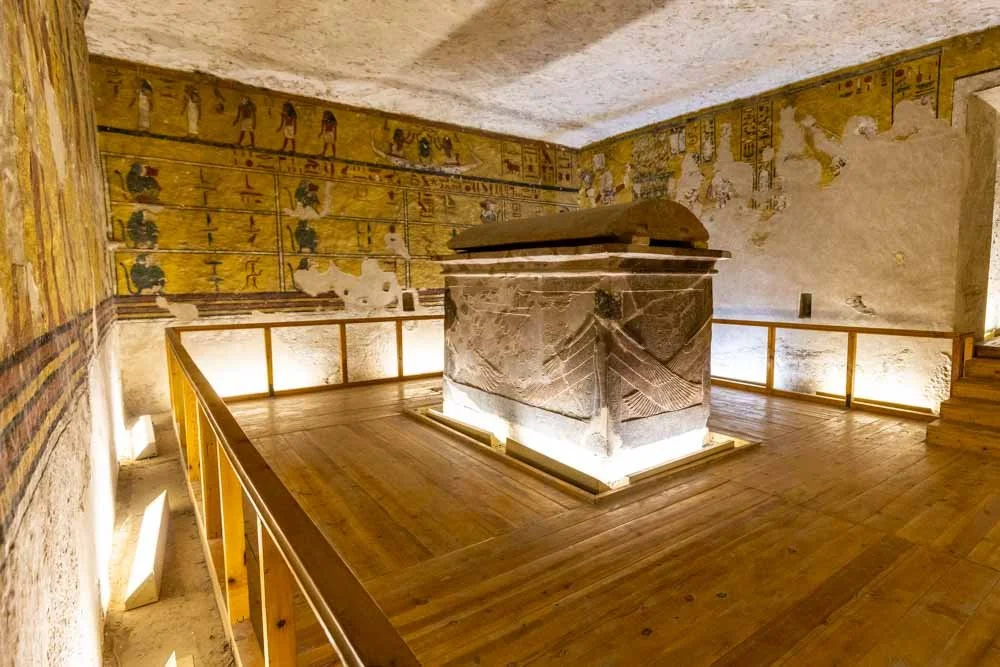
- Valley of the Kings & Temple of Hatshepsut: Explore the painted royal tombs of Tutankhamun and Ramesses II, then visit the dramatic three-tiered mortuary temple carved into the cliffs of Deir el-Bahari.
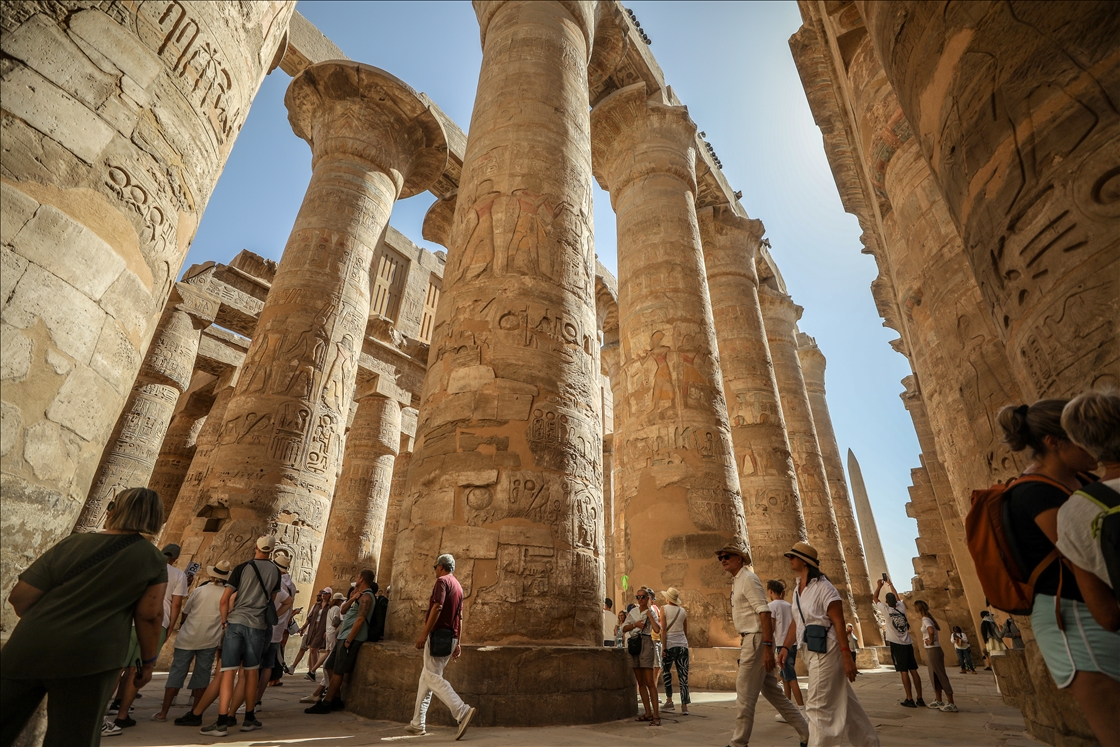
- Karnak Temple Complex: Walk through the largest religious complex ever built, with its legendary hypostyle hall of 134 massive sandstone columns.
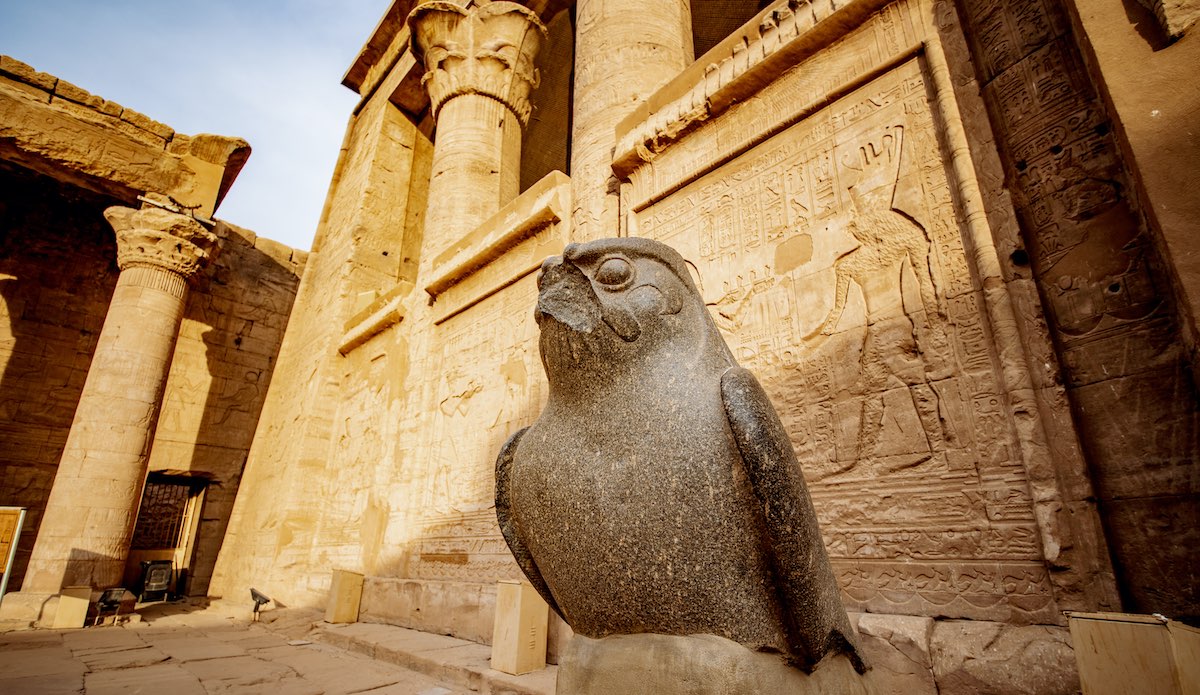
- Edfu Temple: The best-preserved ancient temple in Egypt — the grand Temple of Horus, with perfectly intact pylons and walls covered in hieroglyphic reliefs.
- Gebel El Silsila: A rarely visited ancient sandstone quarry used during the 18th Dynasty to build Karnak and Luxor temples — a fascinating off-the-beaten-path stop between Edfu and Kom Ombo.
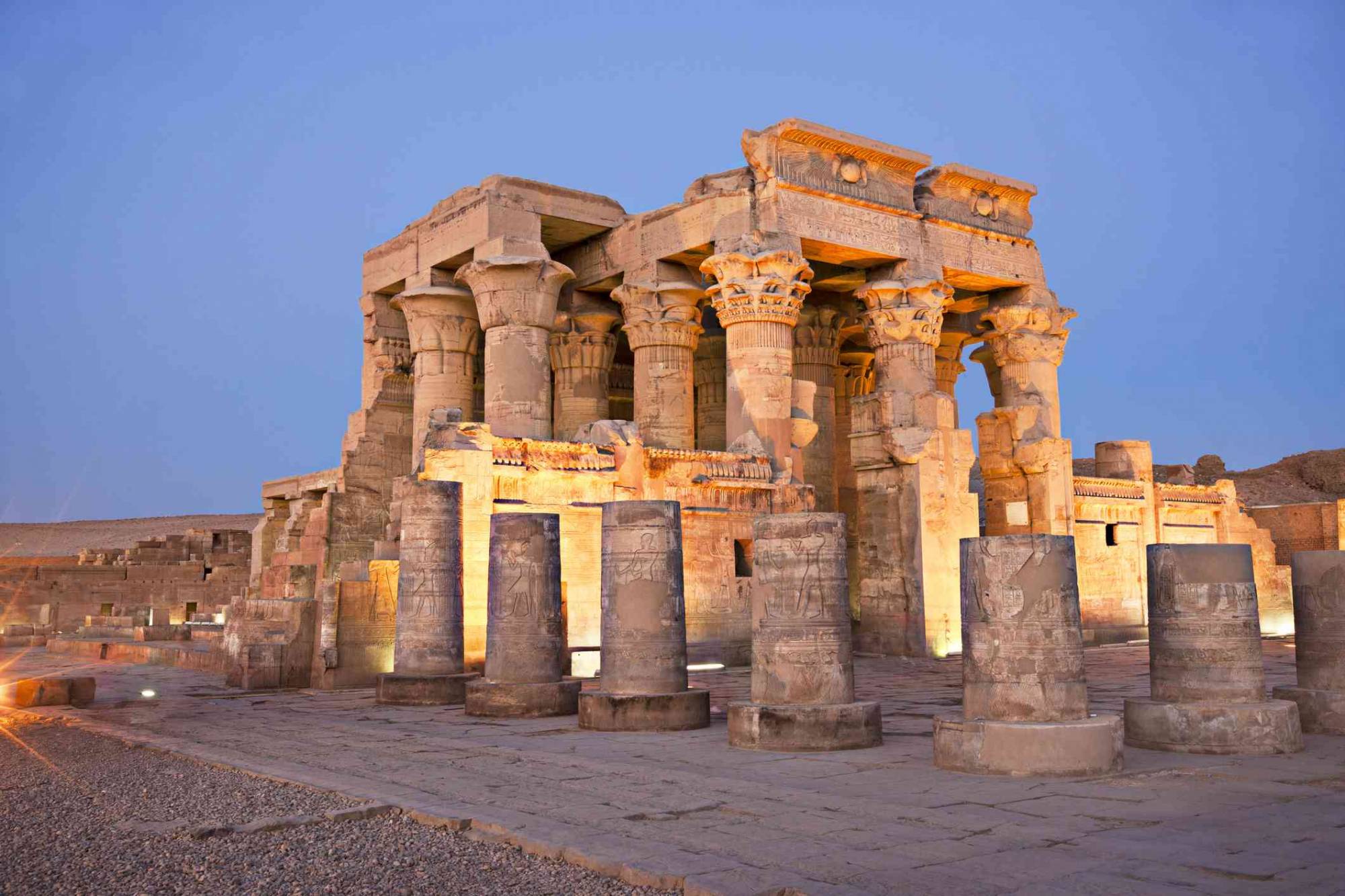
- Kom Ombo Temple: The unique double temple on the Nile bank dedicated jointly to Sobek the crocodile god and Haroeris the falcon god, with an on-site Crocodile Museum.
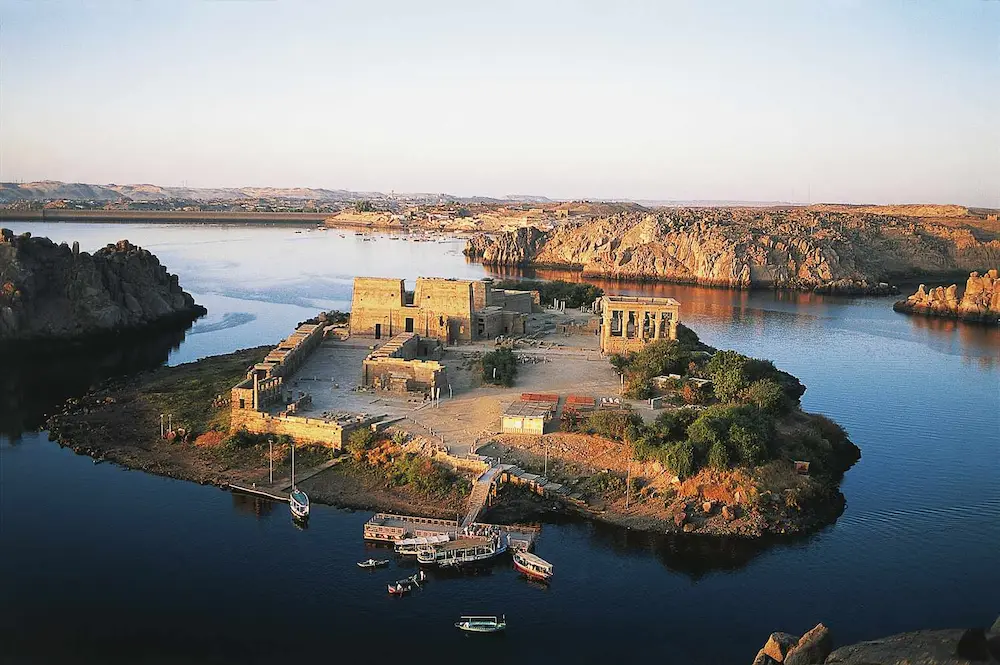
- Philae Temple, High Dam & Unfinished Obelisk: Explore the island temple of Isis at Philae, the Aswan High Dam, and the ancient granite quarry where Queen Hatshepsut's colossal obelisk still lies unfinished.
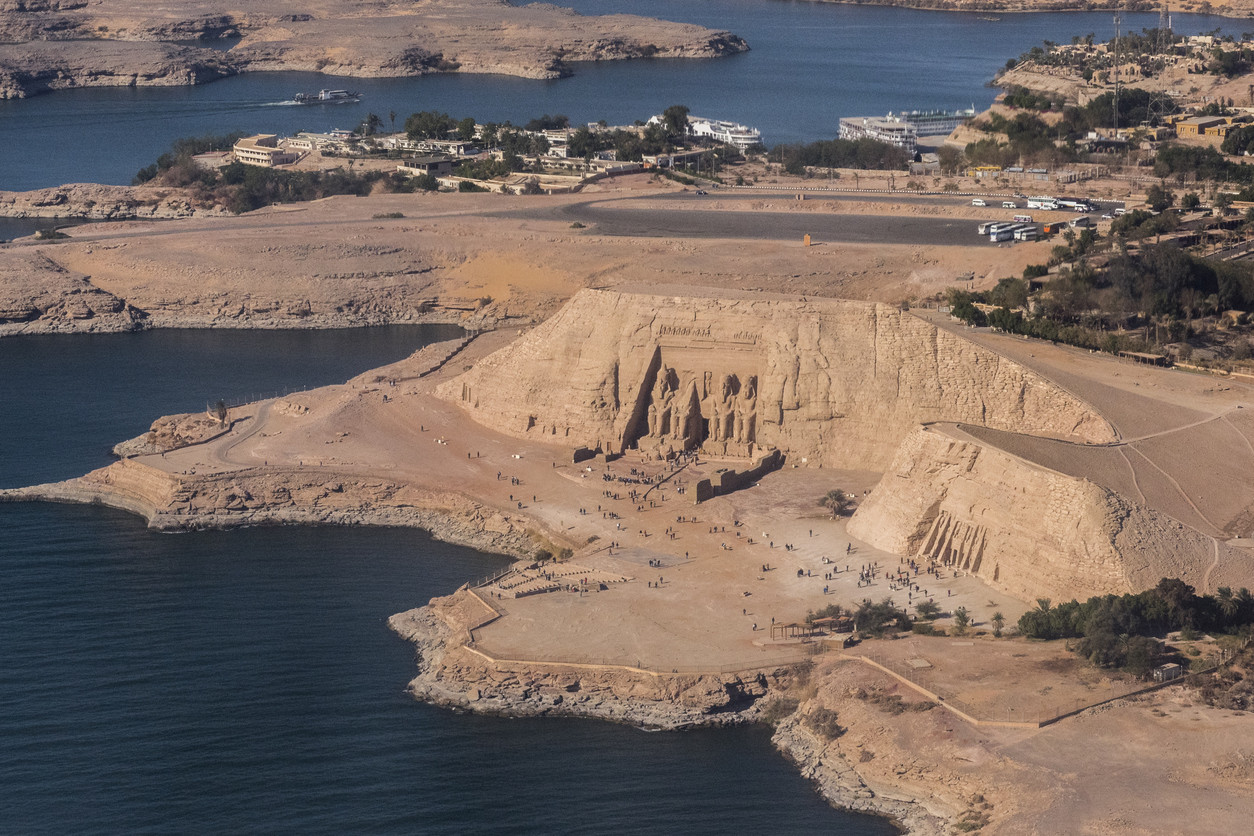
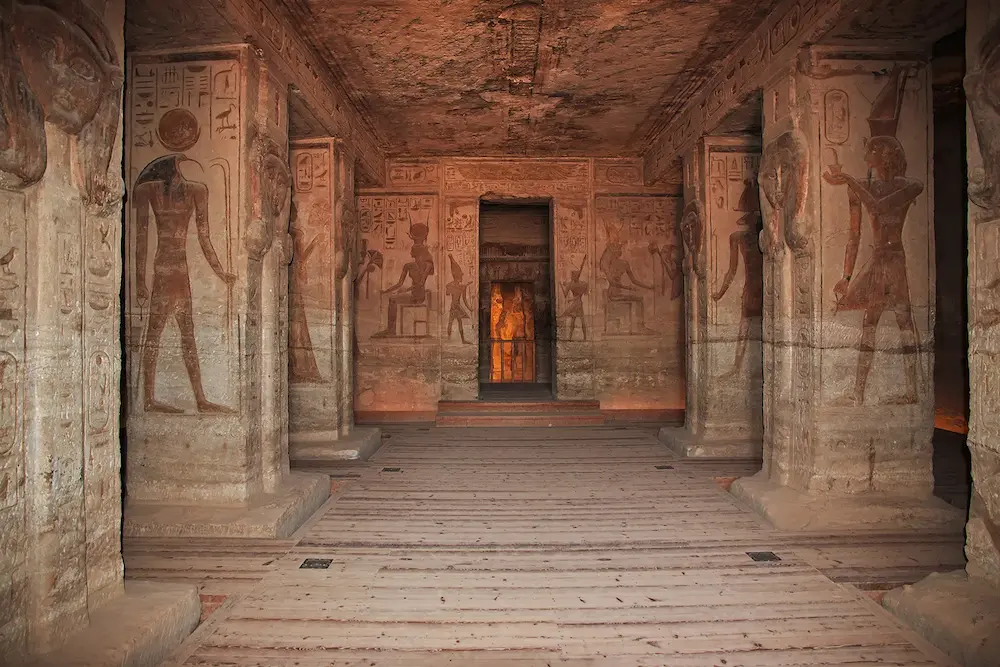
- Abu Simbel Temples (Optional): Add an optional road trip to the colossal rock-cut temples of Ramses II — a UNESCO World Heritage Site — available at an additional cost from Aswan.
Includes/Excludes
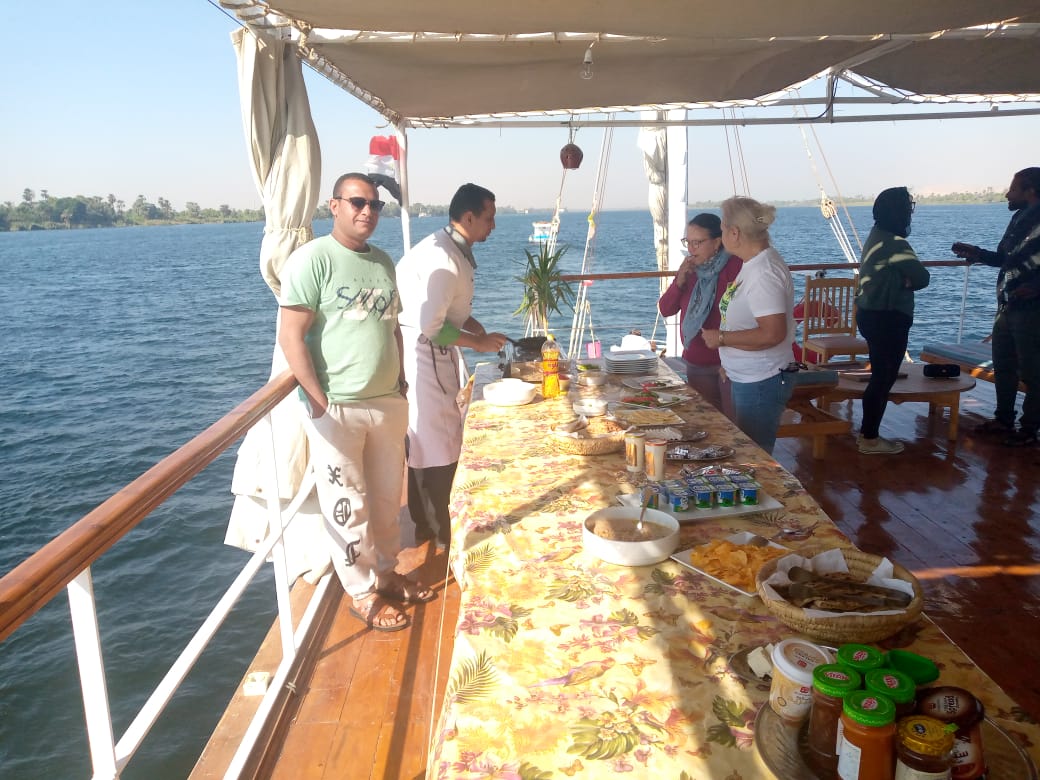
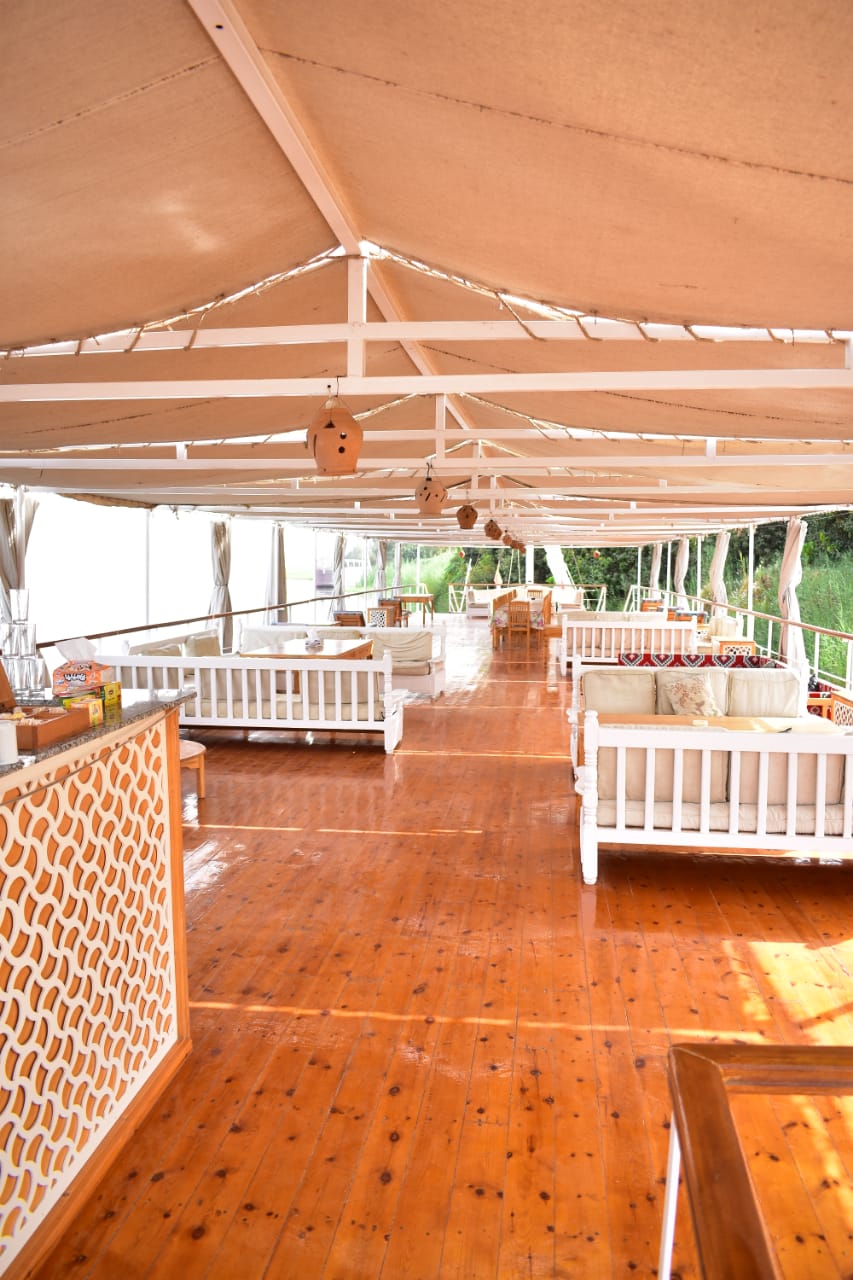
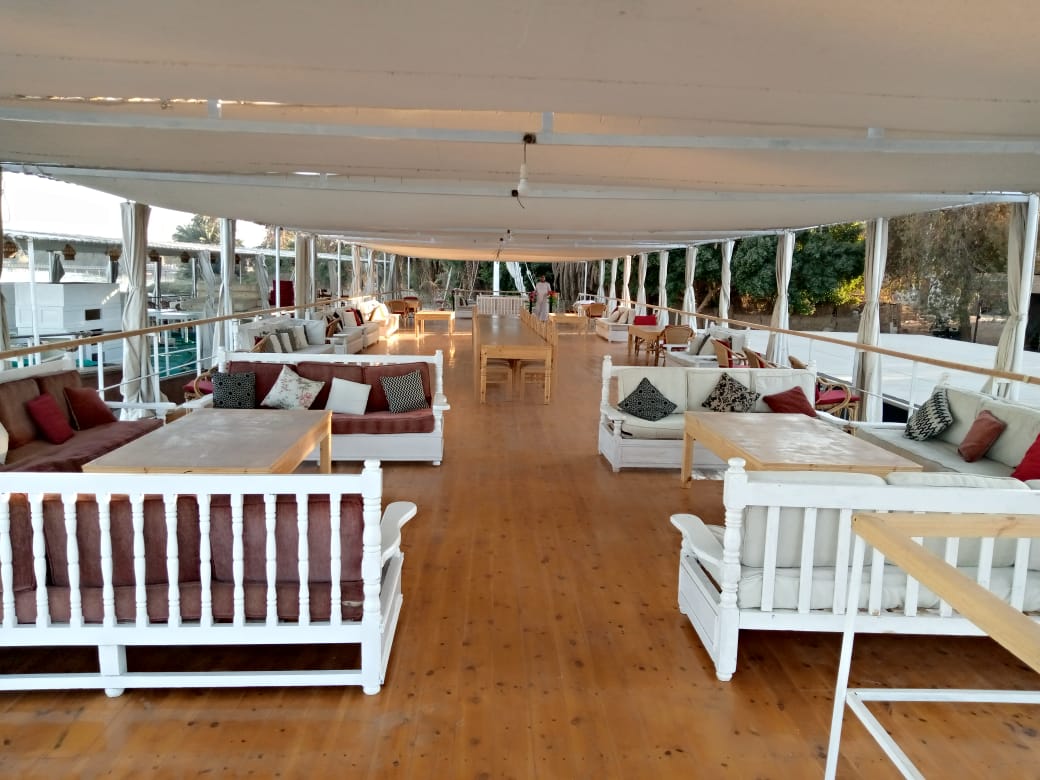
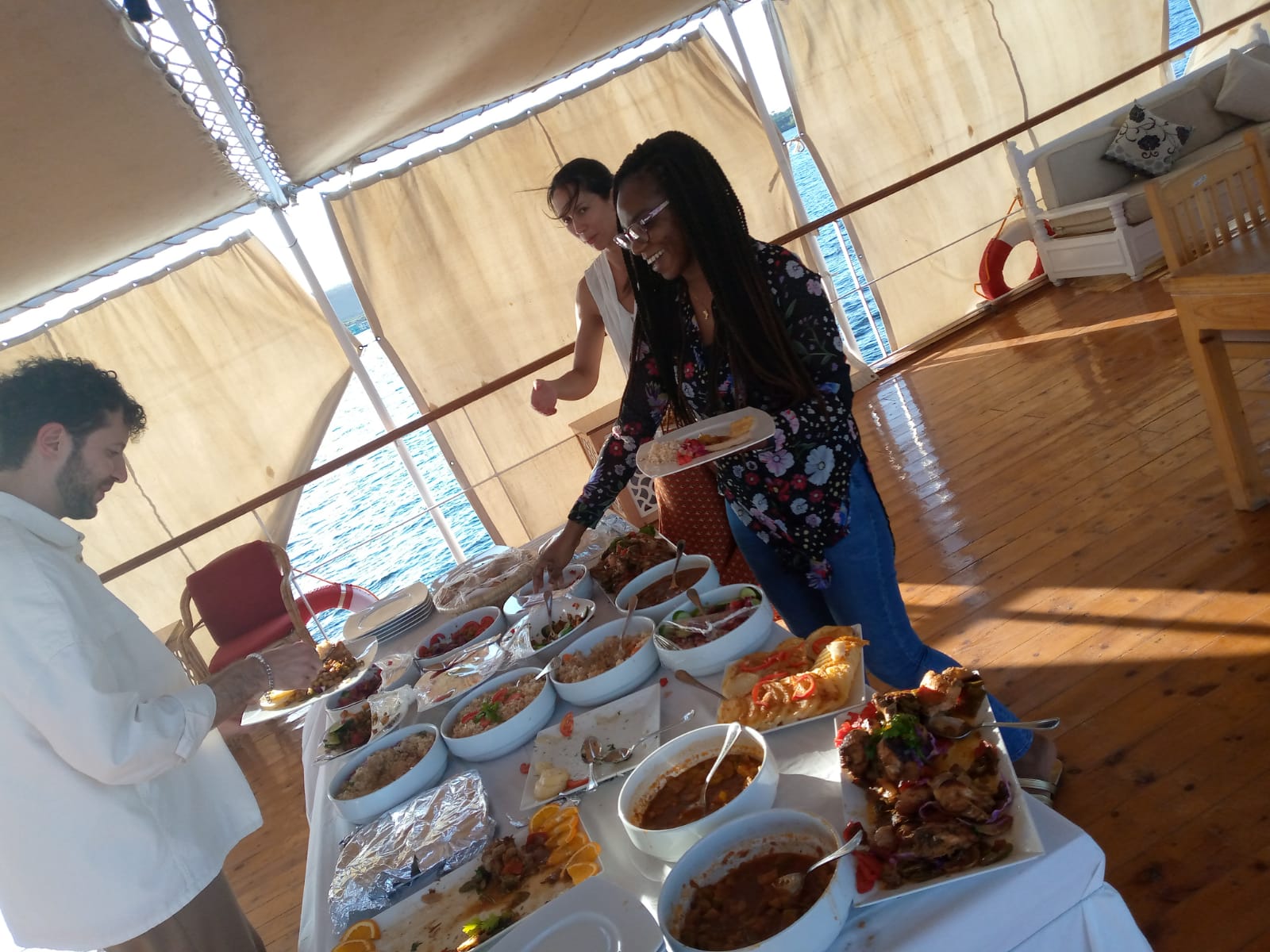
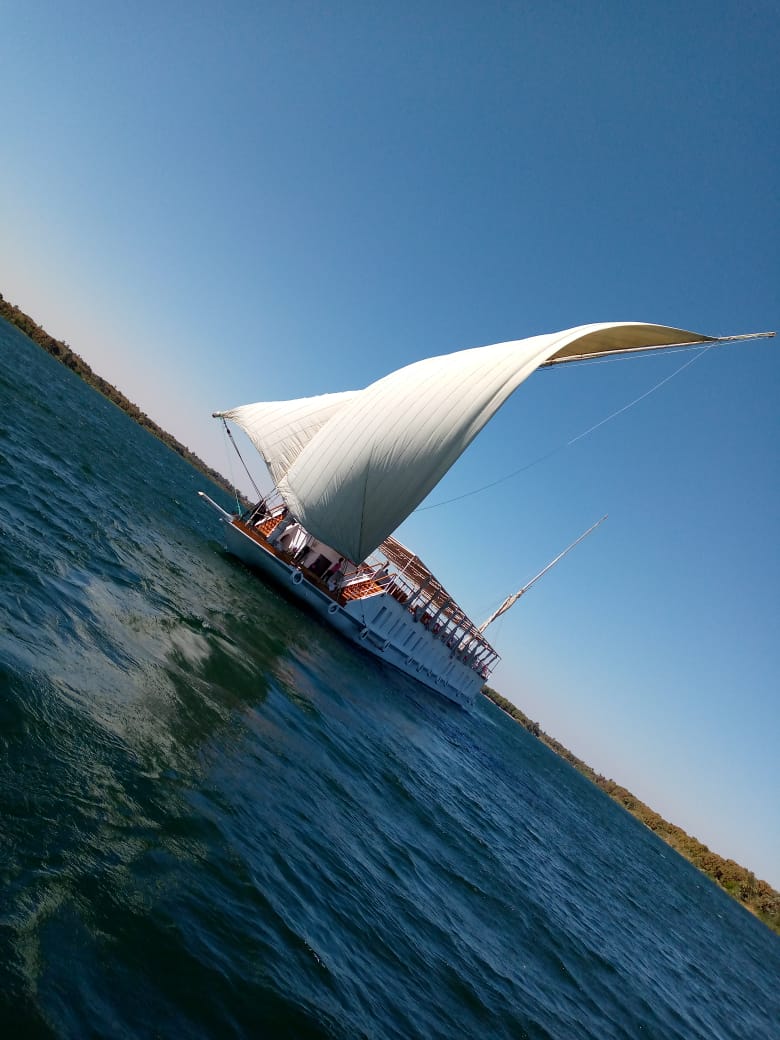
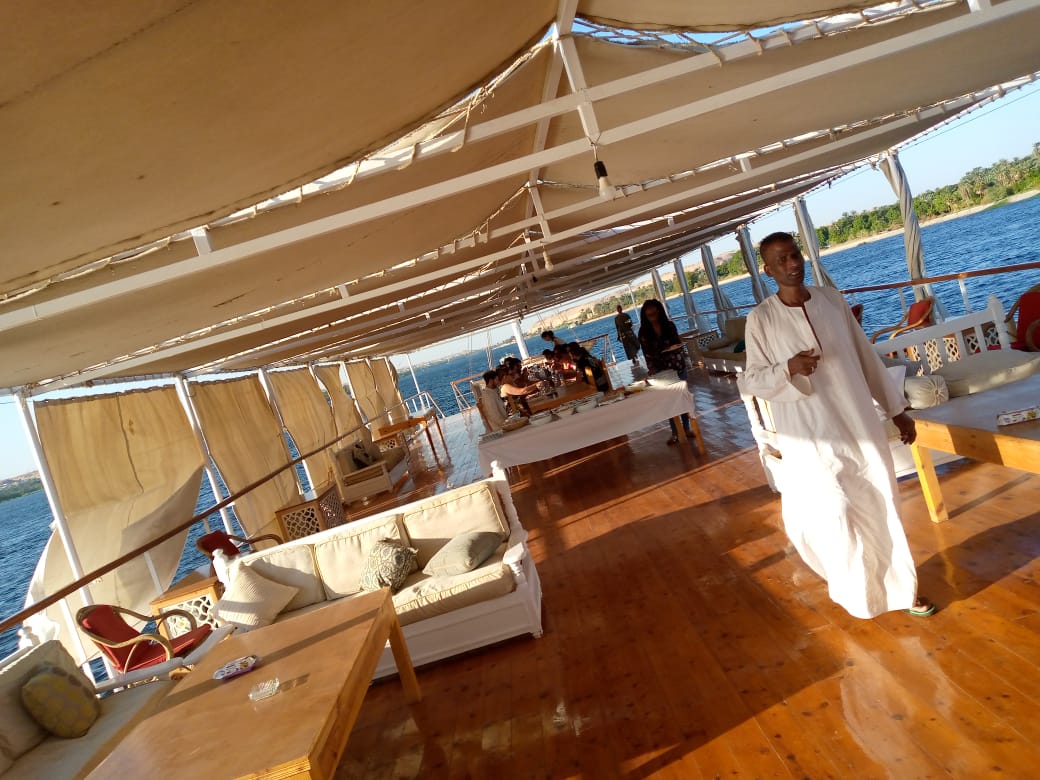
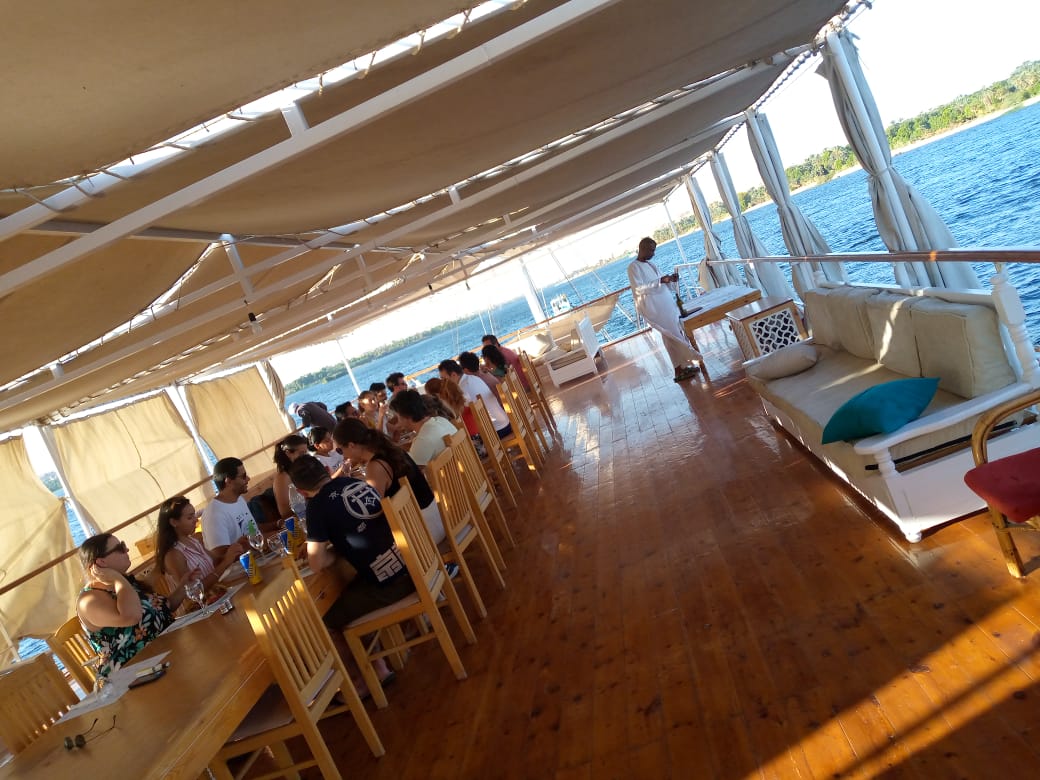
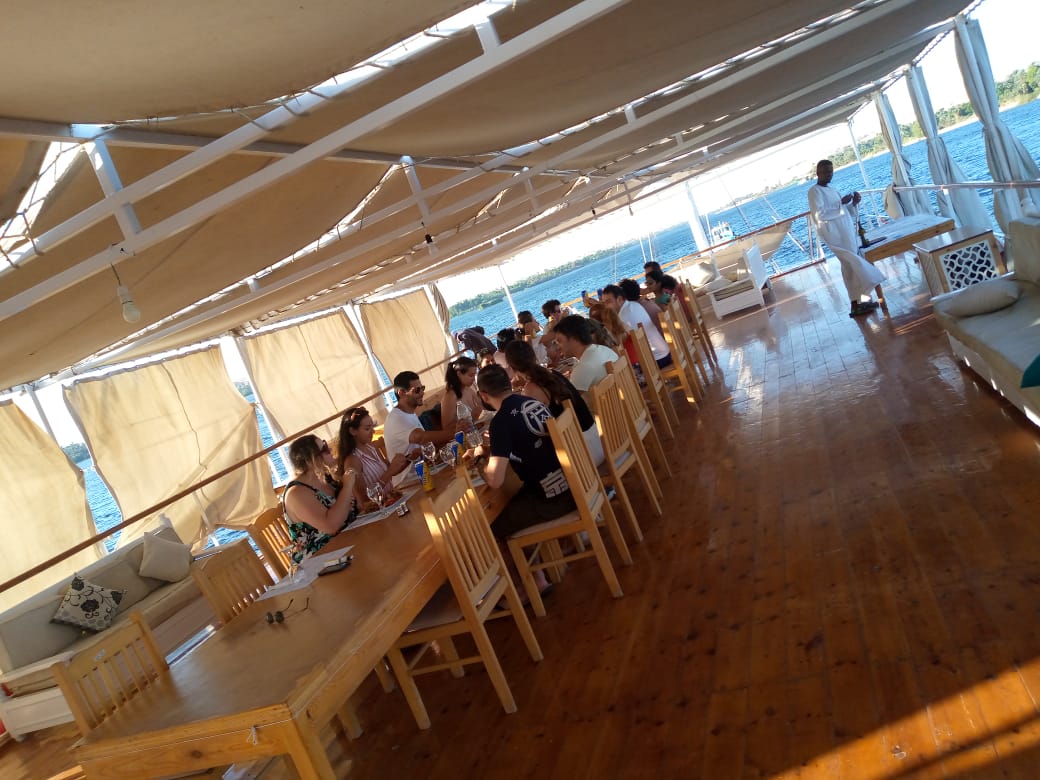
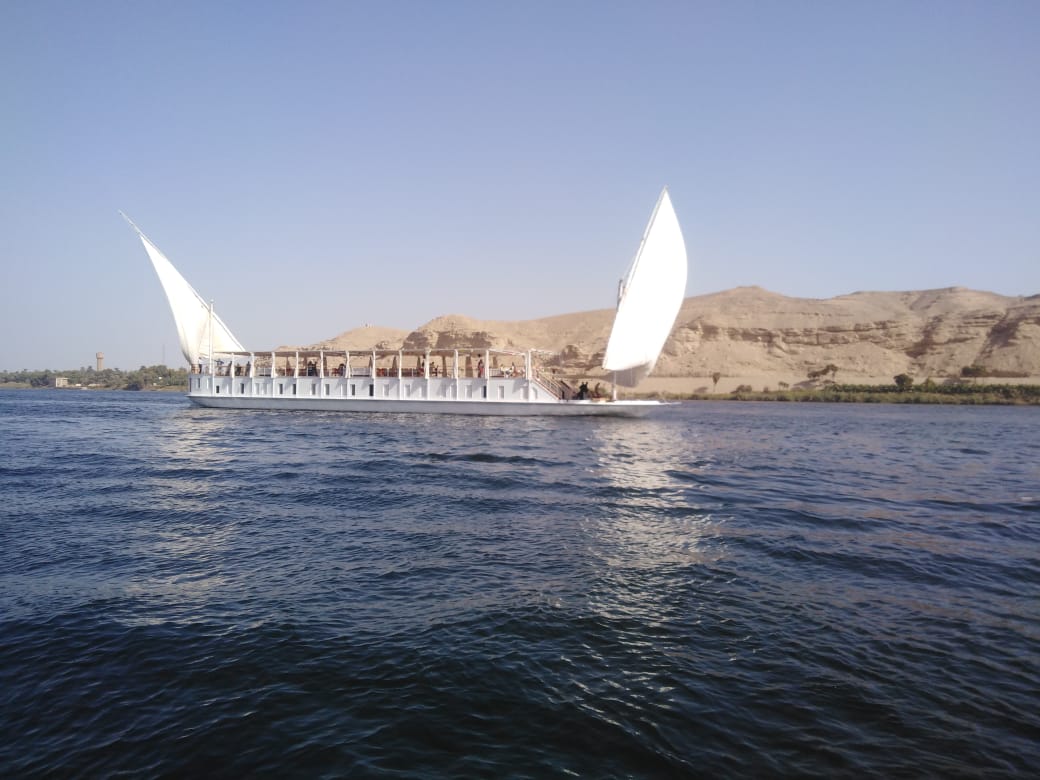
- 4 nights aboard a private 5-star Dahabiya on a full-board basis (breakfast, lunch & dinner)
- Private Egyptologist guide throughout all sightseeing tours
- All transfers in a private air-conditioned vehicle
- Entrance fees to all temples and archaeological sites along the route
- All applicable local taxes and service charges
- Pickup from Luxor hotel or airport — drop-off at Aswan Airport, station, or hotel
- All beverages including bottled water
- Optional hot air balloon over Luxor West Bank (Day 2) — available at additional cost
- Optional Abu Simbel excursion by road (Day 5) — available at additional cost
- Gratuities for guide, driver & Dahabiya crew
- Any personal expenses not listed in the itinerary
Itinerary
Day 1: Luxor Sightseeing & Embarkation
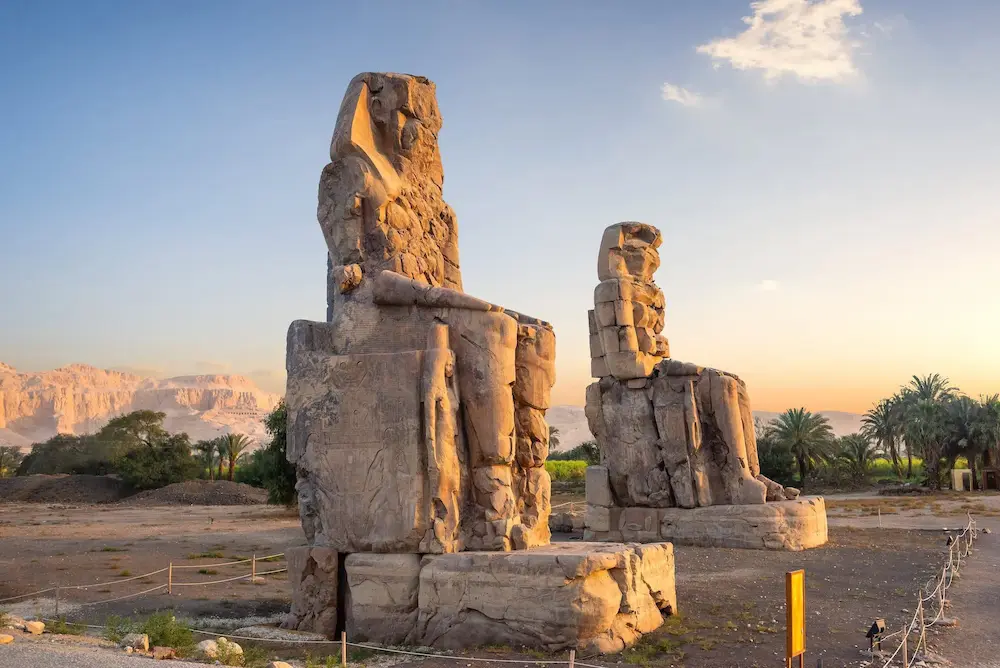
Your private Egyptologist guide meets you at your Luxor hotel or airport and transfers you to begin a full day of sightseeing on the West and East Banks of Luxor. Start with the Valley of the Kings, where 63 royal tombs — including those of Tutankhamun and Ramesses II — were cut into the limestone cliffs of the Theban hills, their walls painted with elaborate scenes from ancient Egyptian beliefs about death and the afterlife. Continue to the Temple of Hatshepsut at Deir el-Bahari, its three sweeping terraces rising against sheer golden cliffs in one of ancient Egypt's most breathtaking architectural statements. Stop at the Colossi of Memnon, the two massive seated statues of Amenhotep III that have stood for over 3,400 years. Board the Dahabiya for lunch, then visit Karnak Temple on the East Bank — the largest religious structure ever built, with its legendary hypostyle hall and sacred lake. Transfer to Esna in the evening for embarkation. Dinner onboard. Overnight in Esna.
Day 2: Hot Air Balloon (Optional) — Edfu Temple & Gebel El Silsila
Hot Air Balloon over Luxor (Optional): For those who have added this experience, an early departure takes you back toward the West Bank of Luxor for a sunrise balloon flight over the Valley of the Kings and the Theban cliffs — one of the most spectacular ways to see Egypt from above. Available at an additional cost.
The Dahabiya sails south through the Esna Lock and continues to Edfu, arriving around midday. Visit the Temple of Horus at Edfu — the best-preserved ancient temple in Egypt — with its soaring entrance pylons, dark inner sanctuaries, and walls entirely covered in hieroglyphic reliefs. Continue sailing to the ancient sandstone quarry of Gebel El Silsila, a rarely visited and deeply atmospheric site set between towering rock faces directly on the Nile — the very source of the stone used to build Karnak and Luxor temples during the 18th Dynasty. Lunch and dinner served onboard. Overnight in Kom Ombo.
Day 3: Kom Ombo Temple & Sailing to Aswan
After breakfast, visit the Kom Ombo Temple, its twin sanctuaries rising directly from the Nile bank in one of Egypt's most visually dramatic settings. The temple is uniquely divided between Sobek the crocodile god and Haroeris the falcon god, with two symmetrical halls, two sanctuaries, and two sets of reliefs running in perfect parallel throughout the structure. Visit the adjacent Crocodile Museum before returning to the Dahabiya. The vessel spends the afternoon sailing south through the final stretch of the Nile Valley toward Aswan, with the landscape gradually shifting to reveal the golden granite rocks and Nubian character of Upper Egypt's southernmost city. Lunch and dinner onboard. Overnight in Aswan.
Day 4: Aswan Highlights
After breakfast, spend the day exploring the ancient and modern landmarks of Aswan with your private guide. Begin at the Aswan High Dam, the vast engineering project that reshaped the Nile and created Lake Nasser. Continue to the Unfinished Obelisk, still lying in the ancient granite quarry where it was abandoned after cracking — a unique and revealing window into how the ancient Egyptians quarried and shaped stone on a monumental scale. The obelisk was commissioned by Queen Hatshepsut and, had it been completed, would have been the largest ever erected in Egypt. Take a short motorboat ride to Philae Island to explore the enchanting Temple of Isis, rebuilt on its current island setting after the construction of the High Dam and among the most beautifully situated temples in all of Egypt. Return to the Dahabiya for dinner and a final evening onboard in Aswan.
Day 5: Abu Simbel (Optional) & Departure
Abu Simbel by Road (Optional): For those who have arranged the optional Abu Simbel excursion, an early departure takes you on an approximately 3.5-hour drive south through the Nubian desert to the site of Ramses II's colossal rock-cut temples — a UNESCO World Heritage Site and one of the most awe-inspiring monuments ever created by the ancient Egyptians. Explore both the Great Temple of Ramses II and the smaller Temple of Nefertari before returning to Aswan. This excursion is available at an additional cost. After breakfast, all guests are transferred to Aswan Airport, train station, or their Aswan hotel for departure.
Why Book This Dahabiya Nile Cruise?
The Luxor to Aswan direction is one of the most rewarding ways to experience the Nile — you begin surrounded by the monuments of ancient Thebes and end in the quieter, more intimate atmosphere of Aswan, where the pace slows, the landscape changes, and the Nubian culture of Upper Egypt comes into full view. On a Dahabiya, that journey feels entirely different from a standard cruise ship. It’s slower, quieter, and completely your own.
This itinerary includes a stop at Gebel El Silsila that most Nile cruises skip entirely — an ancient quarry site directly on the Nile that gives a rare and fascinating glimpse into how the ancient Egyptians sourced the stone for their greatest monuments. Small details like this are what make a private guided cruise genuinely different from a group tour.
With all entrance fees included, a private Egyptologist throughout, and the flexibility to add optional experiences like Abu Simbel and the Luxor hot air balloon, this cruise offers both completeness and freedom. For travellers who want to experience Upper Egypt without compromise — privately, at their own pace, and with genuine depth — this Dahabiya journey from Luxor to Aswan is the right choice.
Frequently asked questions
What cruise categories are available?
When is the best time to cruise?
When and where does the cruise depart?
Does the cruise depart every day?
Are entrance fees included?
What does full board include?
How much does it cost?
Can I book optional excursions in advance?
Is tipping included?
What should I pack?
Have a question before booking? Message us to learn more.
